Artists
Bio
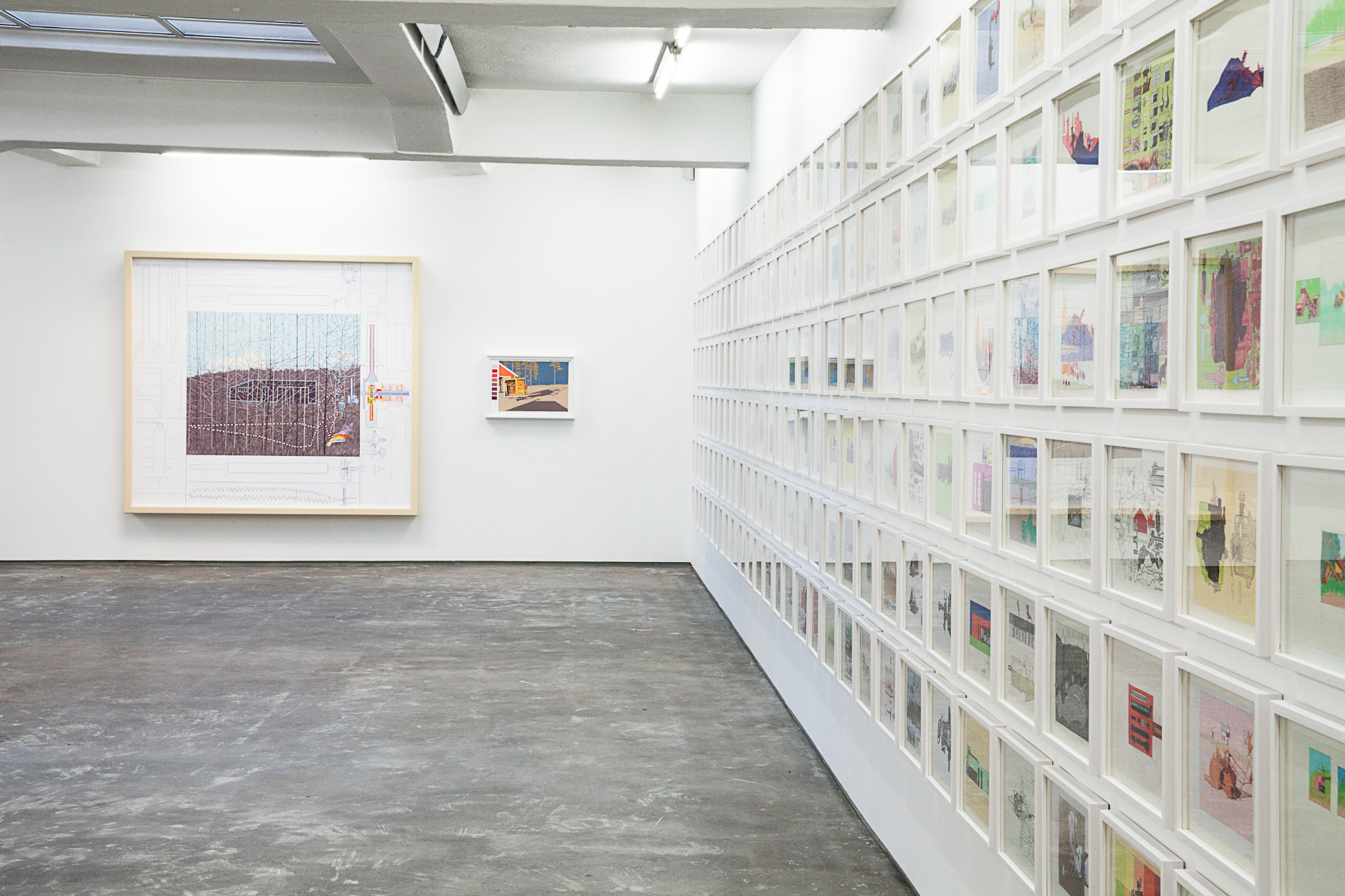
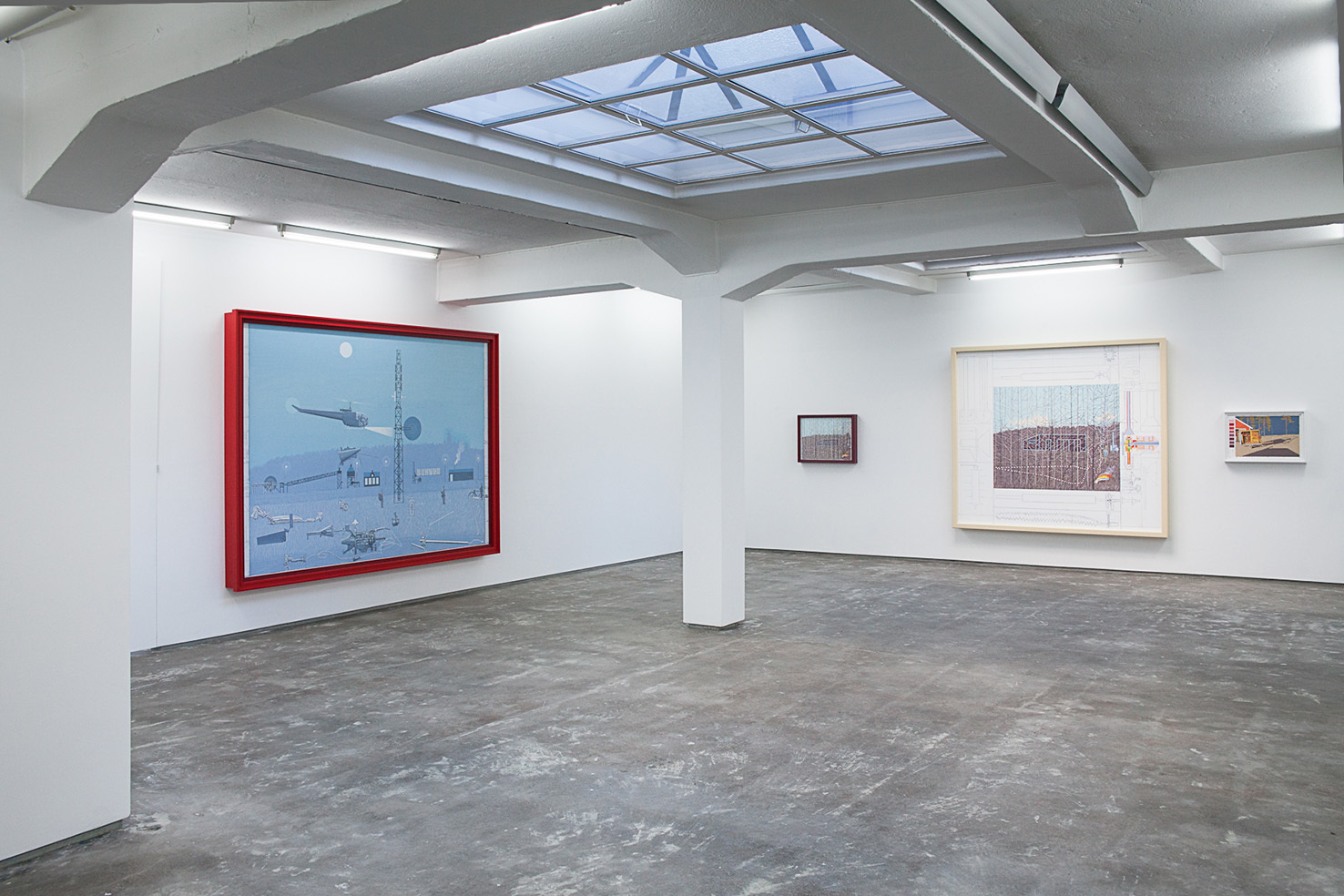
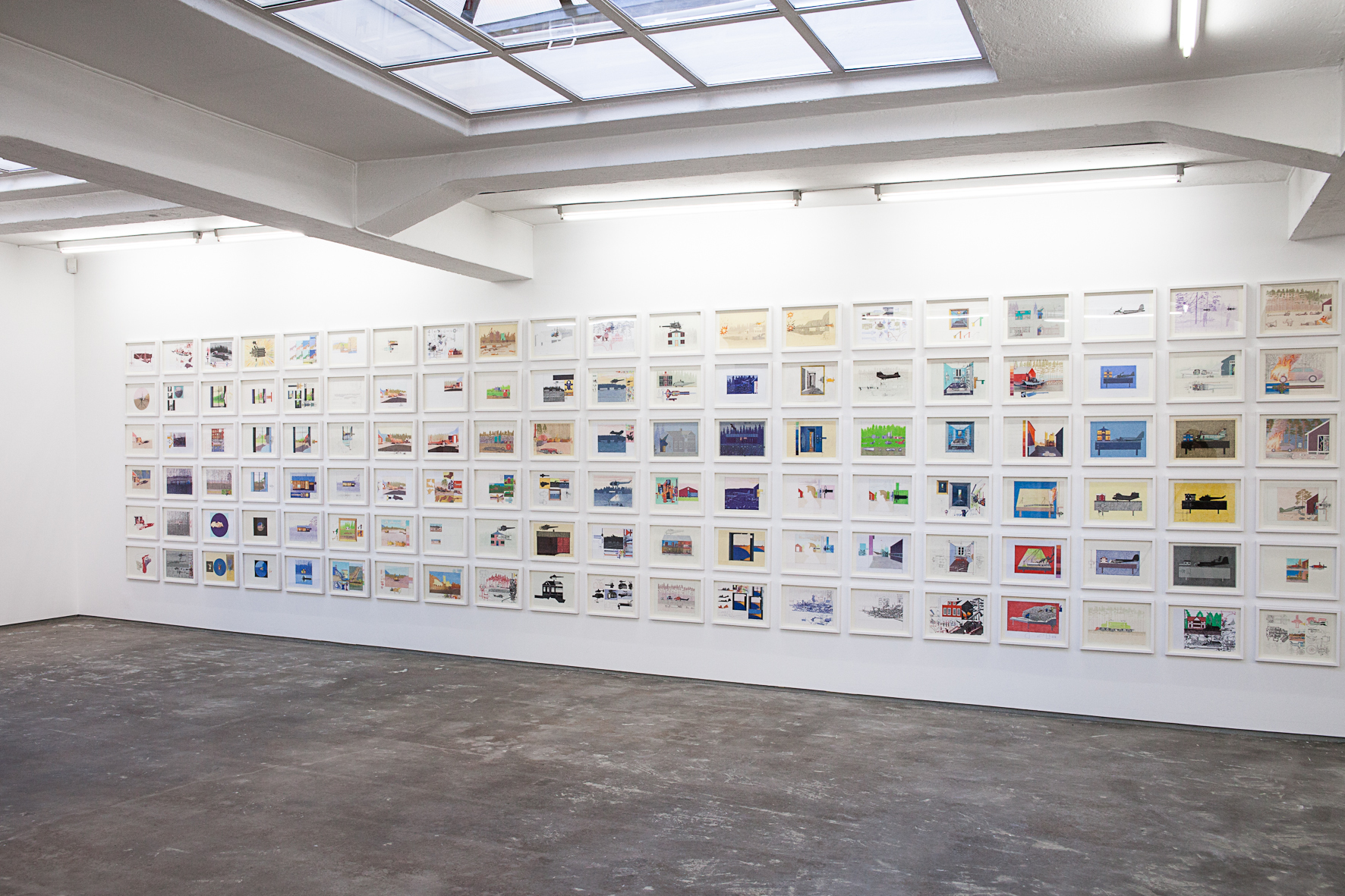
Leonard Rickhard (b. 1945, Tvedestrand, Norway) lives and works in Arendal, Norway. Over the past 40 years, Leonard Rickhard has come to be recognized as one of Norway’s most significant living painters. His work has developed with distinctive integrity, exploring the possibilities within contemporary painting with a will towards synthesisation of apparent paradoxes – the classic and modern, the romantic and modernistic, the natural and the manmade. A characteristic feature of Rickhard’s practice is also the continuous investigation into a recurring set of motifs, and throughout his production we encounter the same introspective figures, enclosed rooms, architectural constructions, pseudo-instructive diagrams and just-about recognizable instruments and blueprints.
Leonard Rickhard
Selected Works
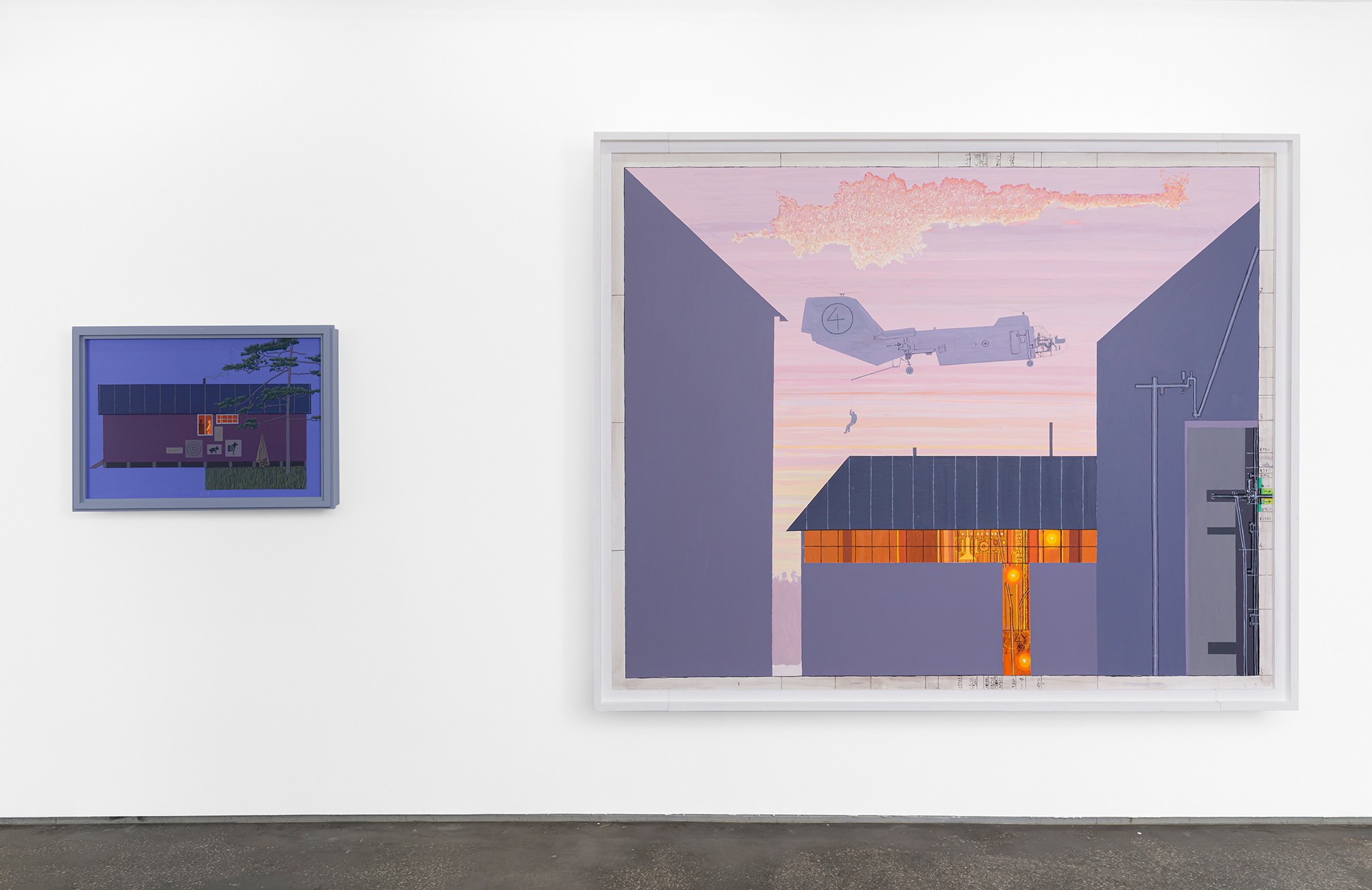
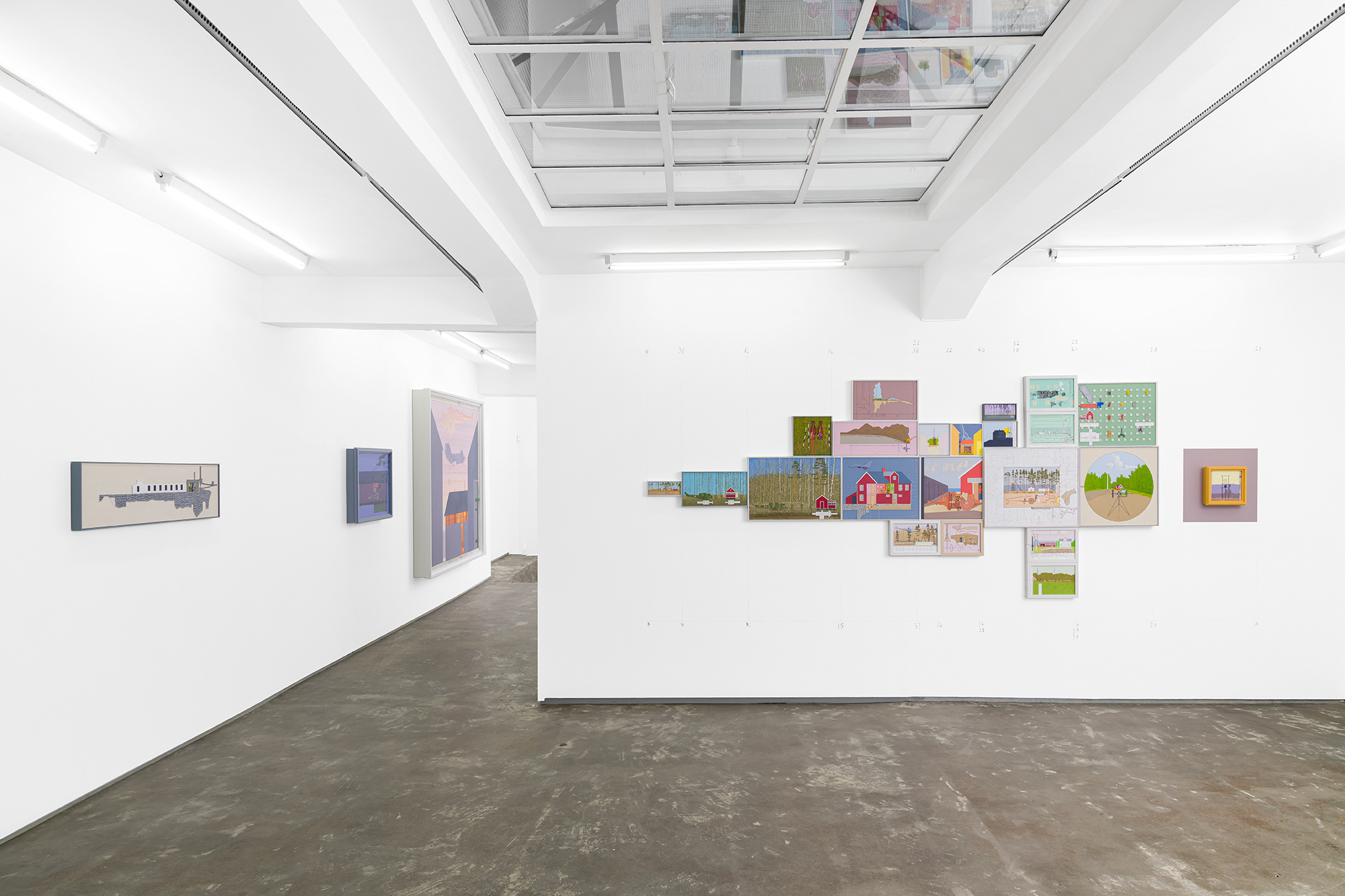
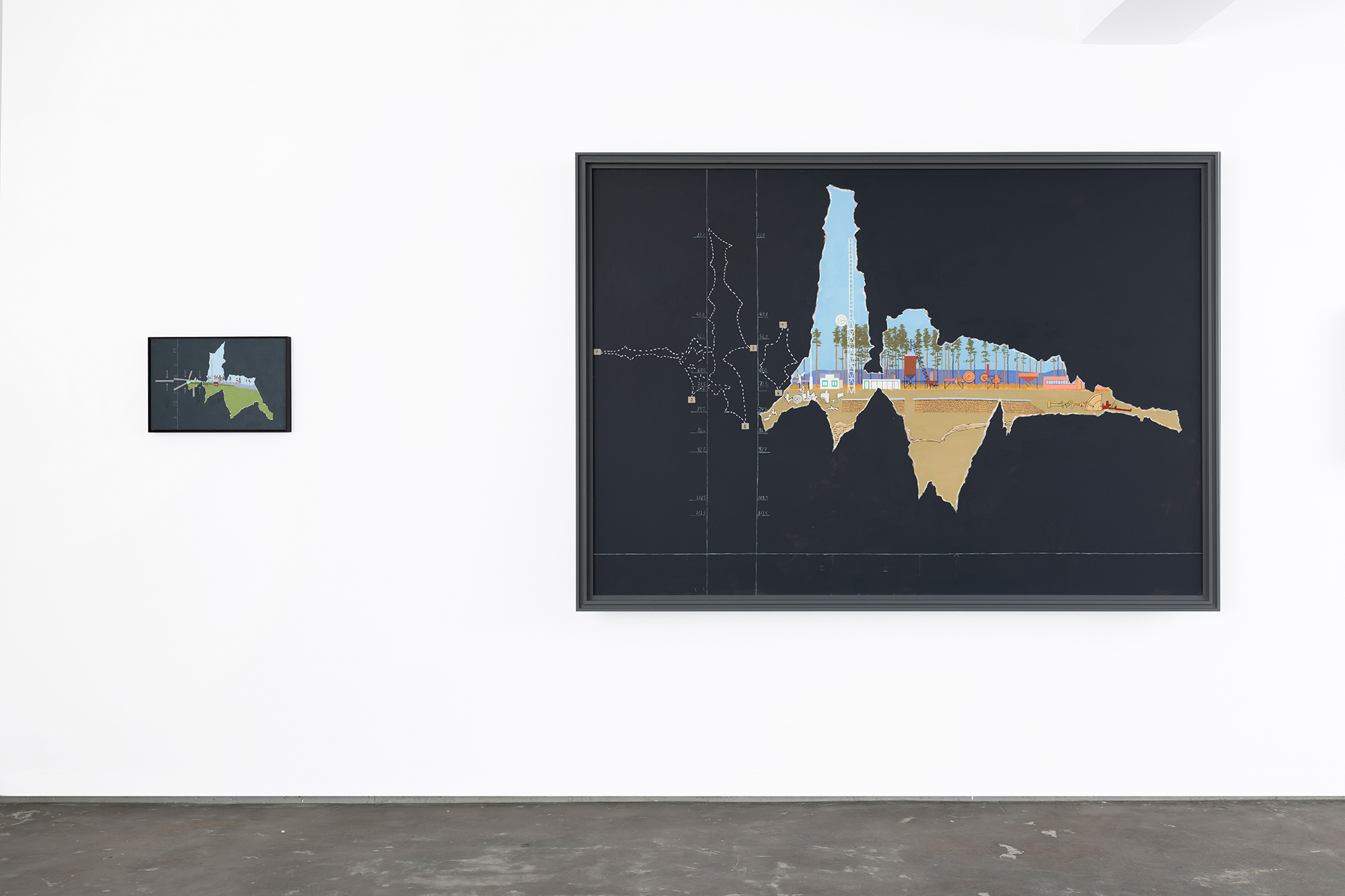
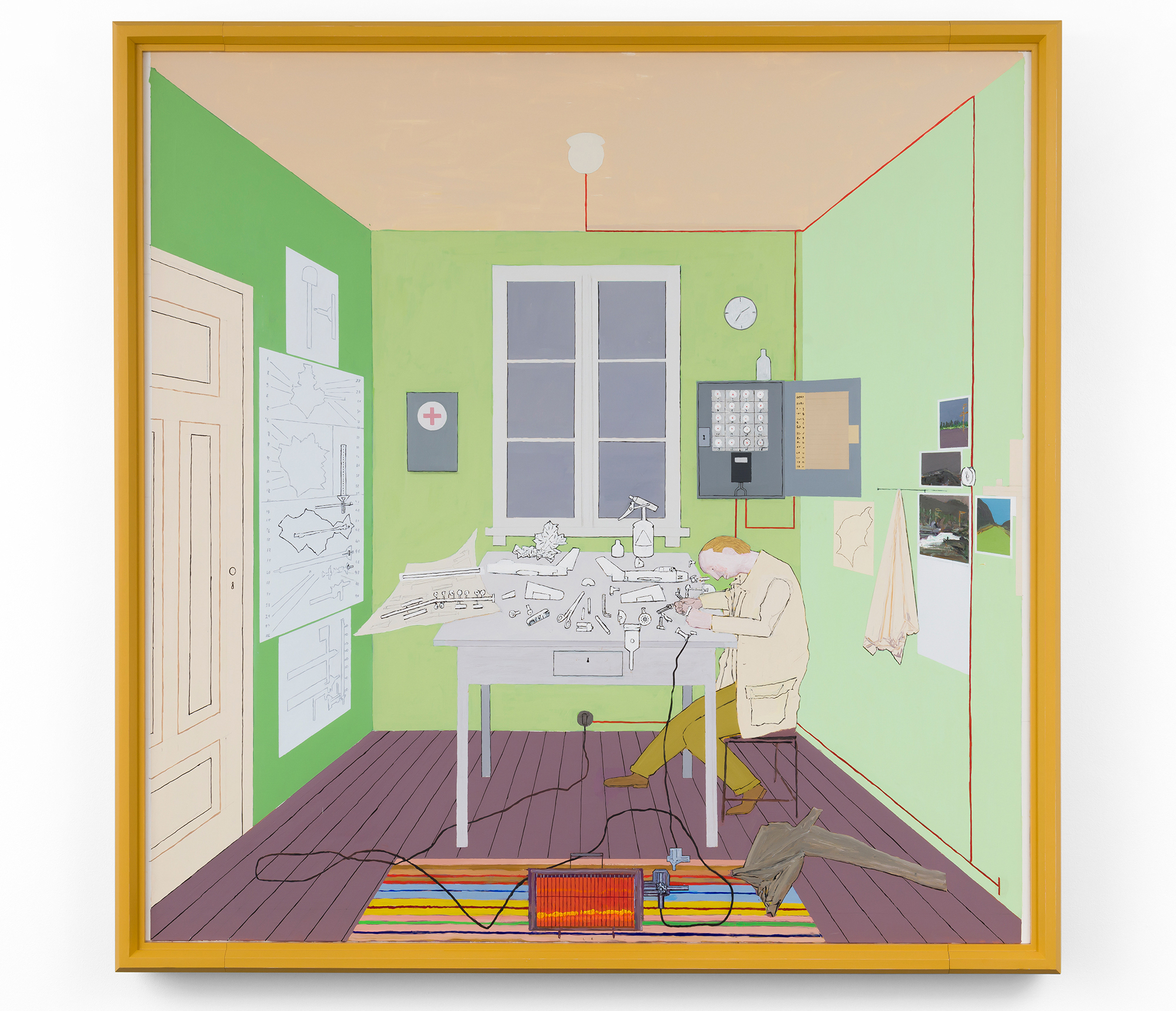
Acrylic on canvas
213 x 213 cm, framed
Unique work
LR20-01
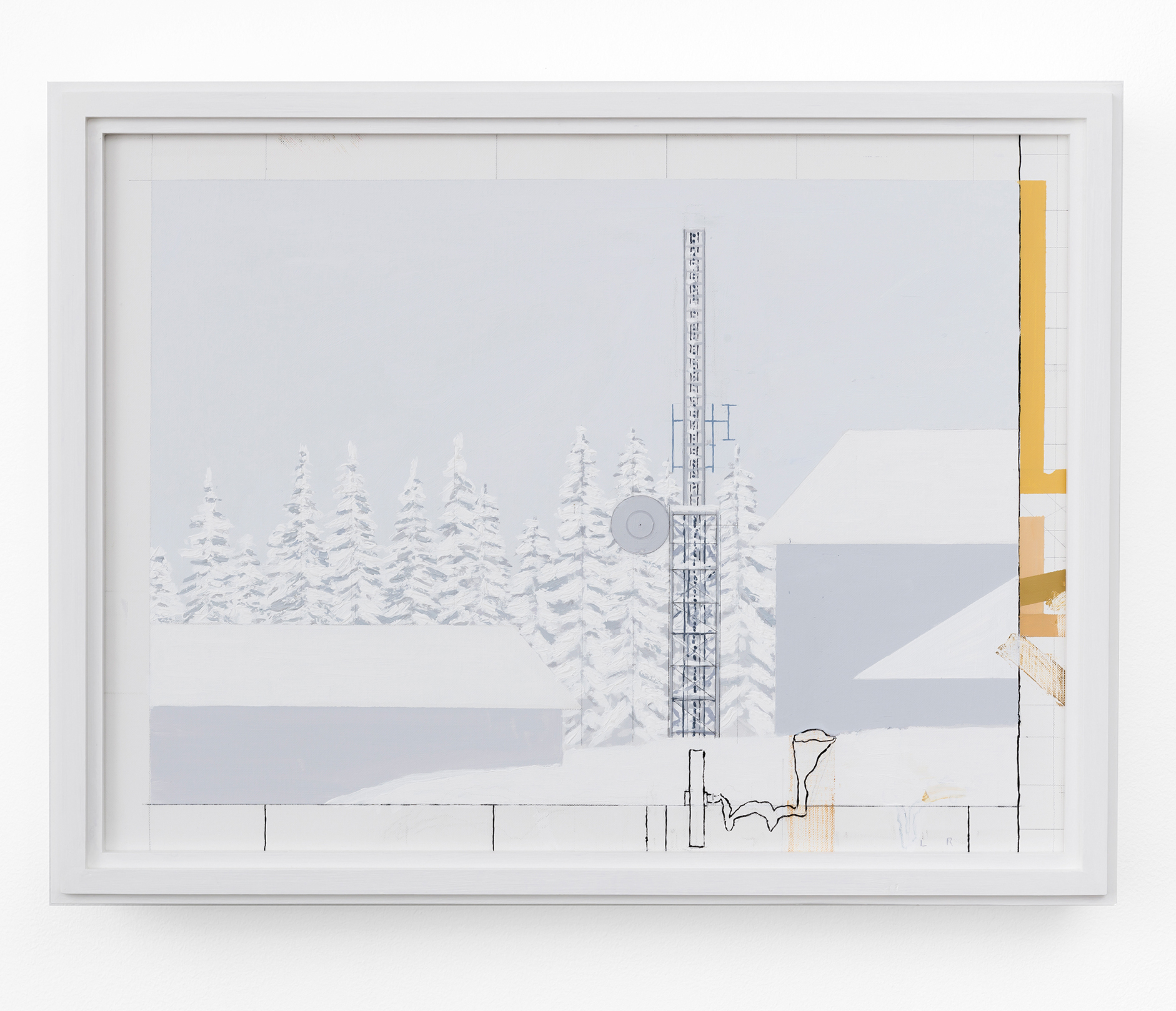
67 x 87 cm, framed
Unique work
LR20-07

88 x 108,1 cm, framed
Unique work
LR20-09
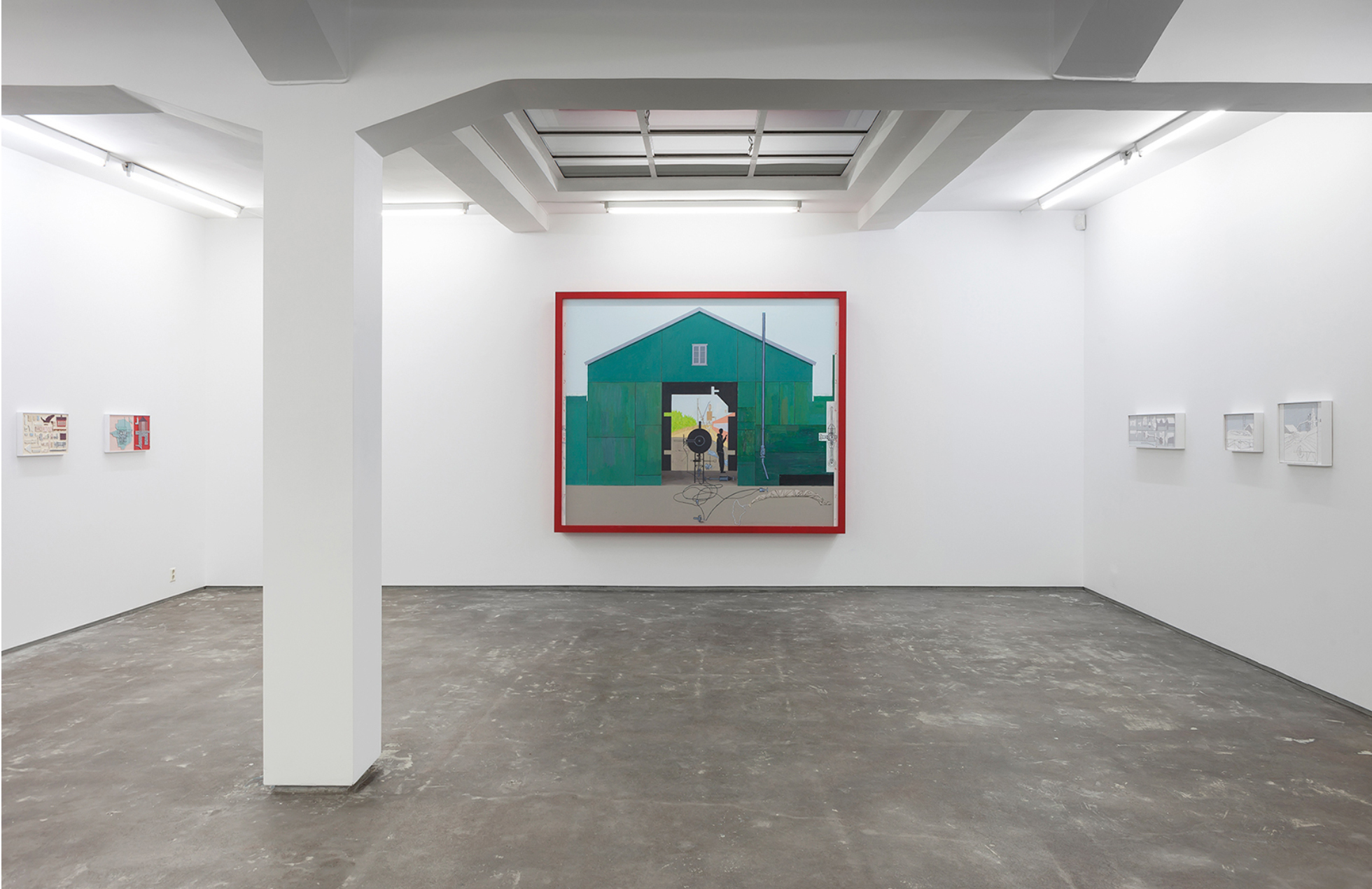
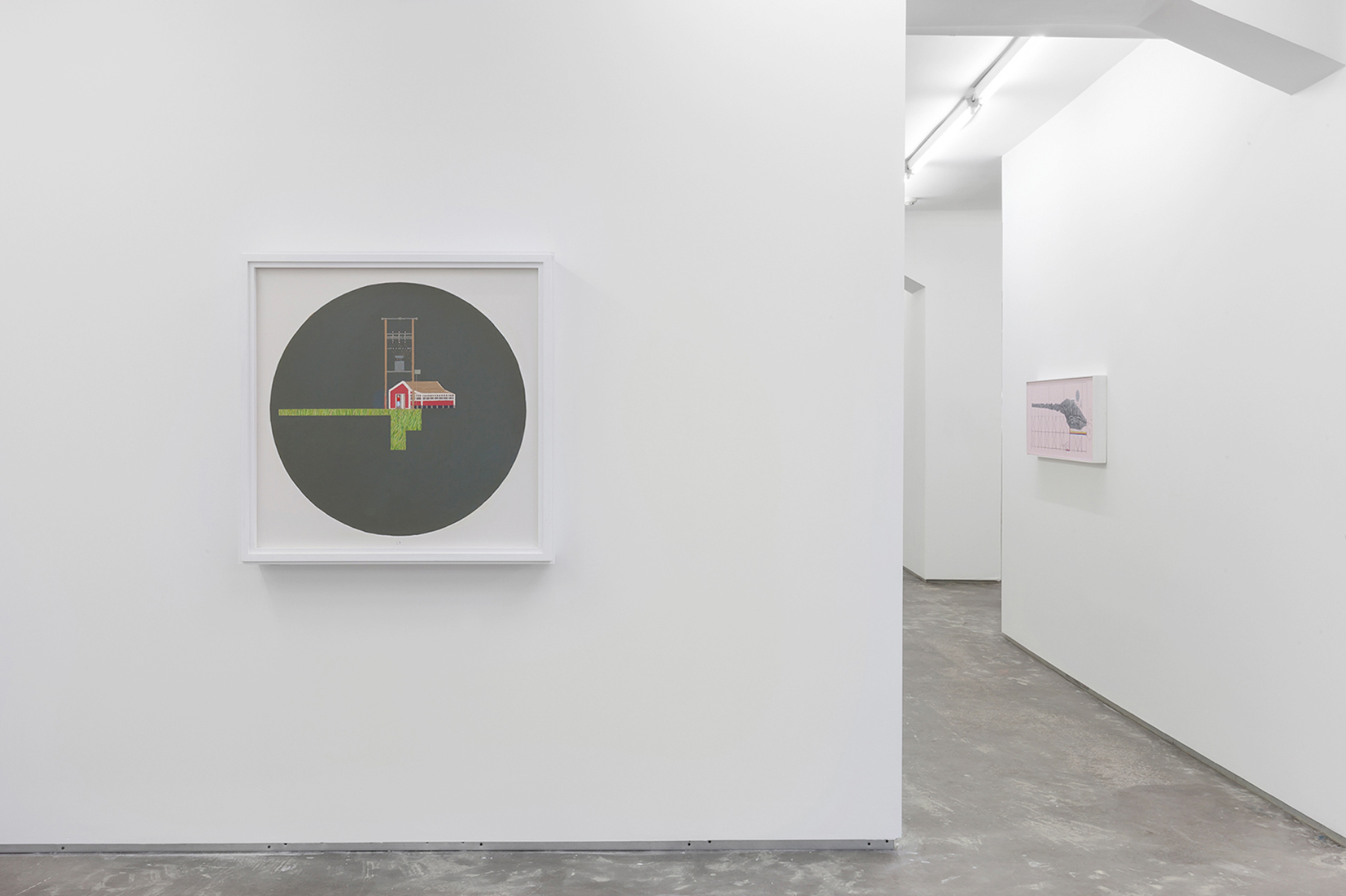
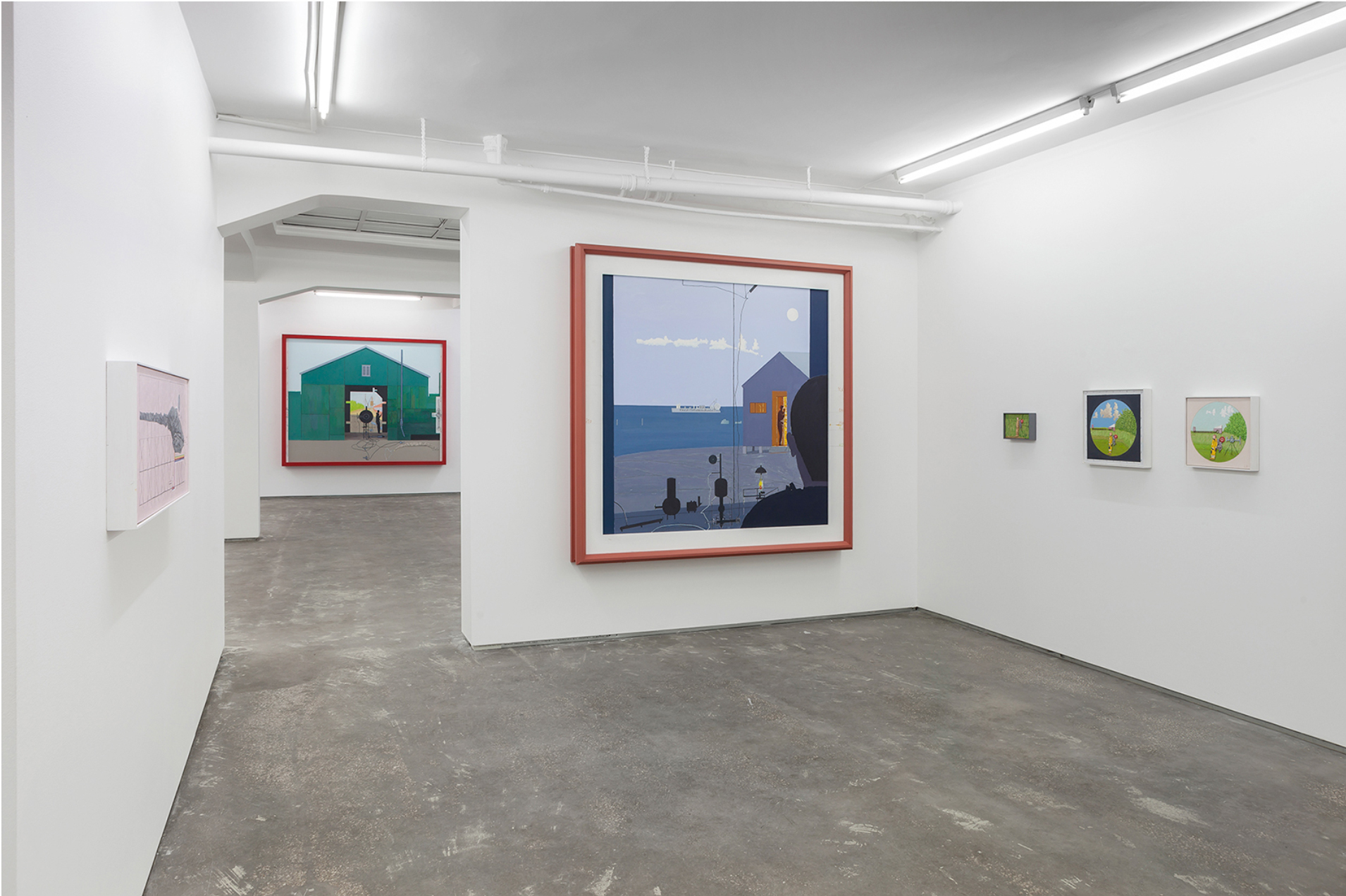

180,1 x 220,3 cm
LR16-24
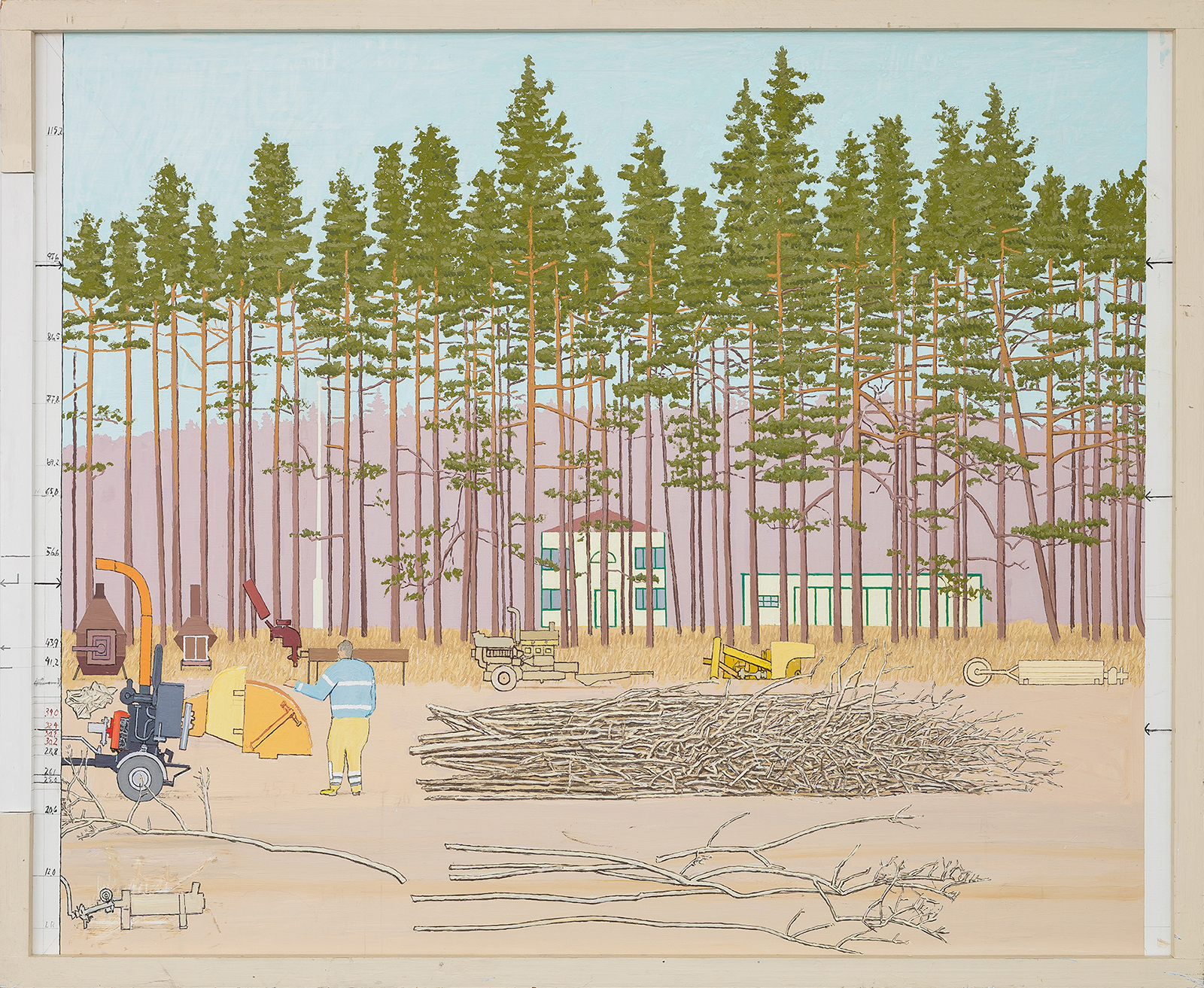
140 x 170,5 cm
LR16-26

42,6 x 48,1 cm (framed)
LR16-16
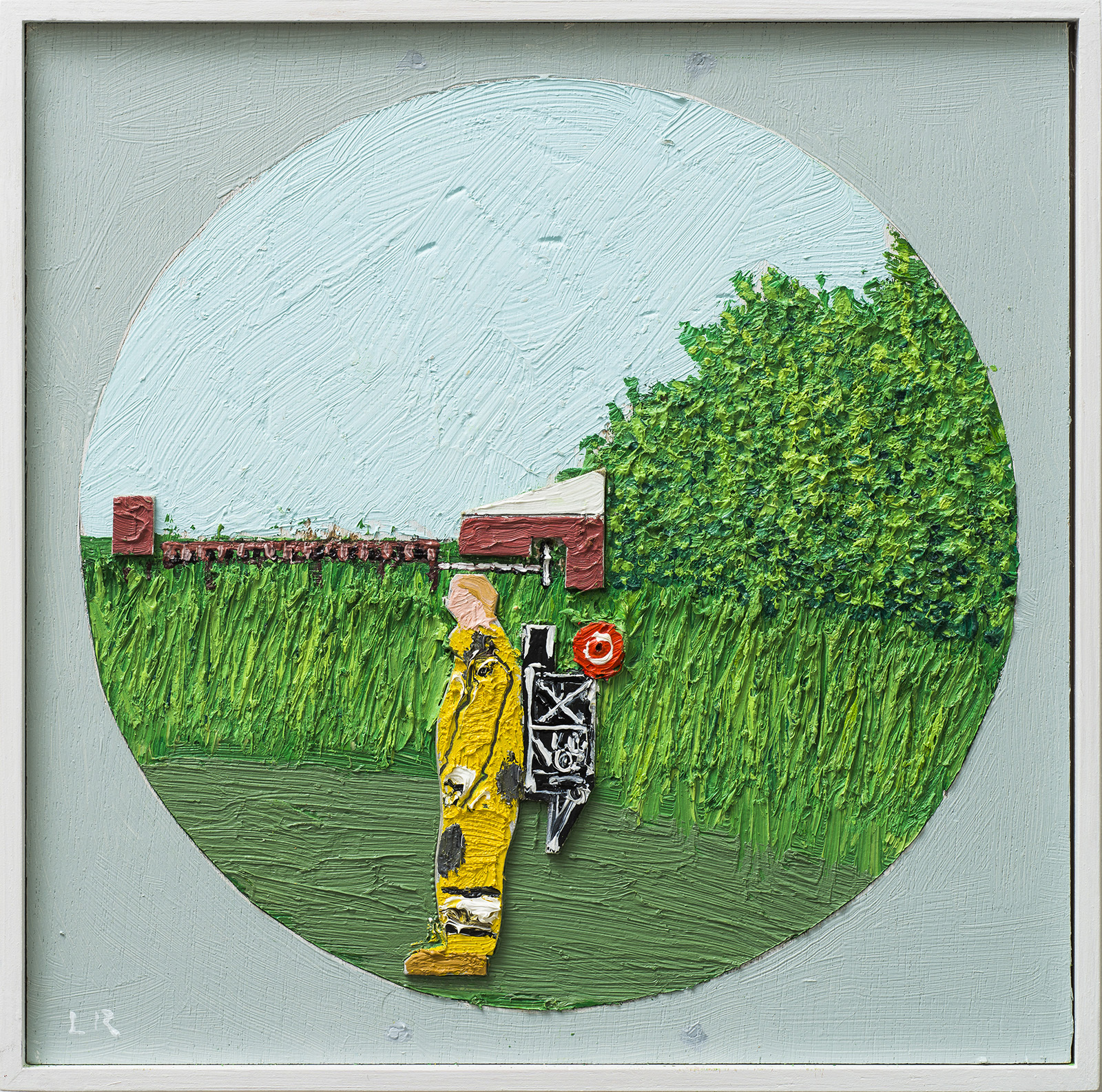
43,1 x 43 (framed)
LR16-10
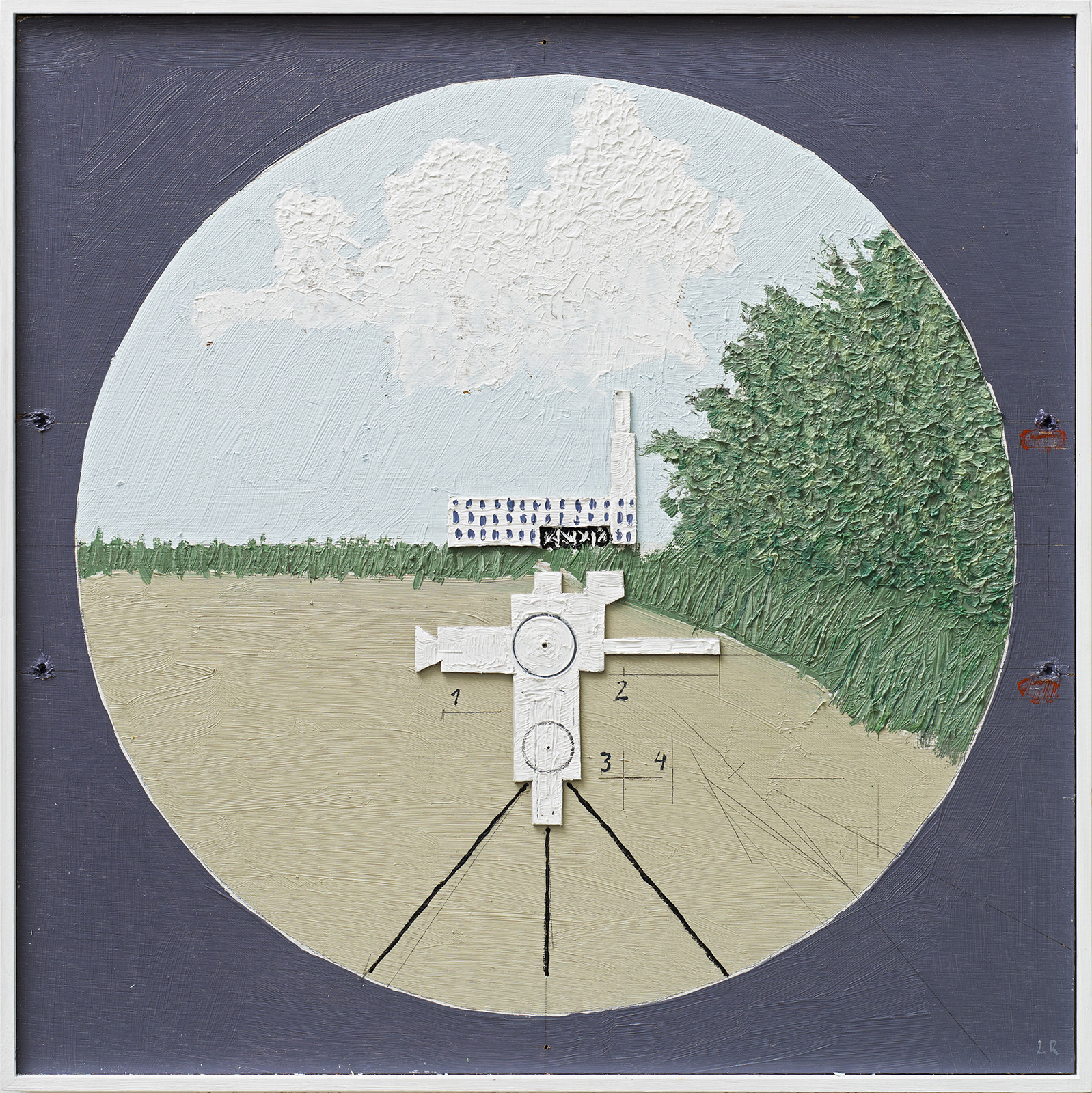
43,1 x 43,1 cm (framed)
LR16-20
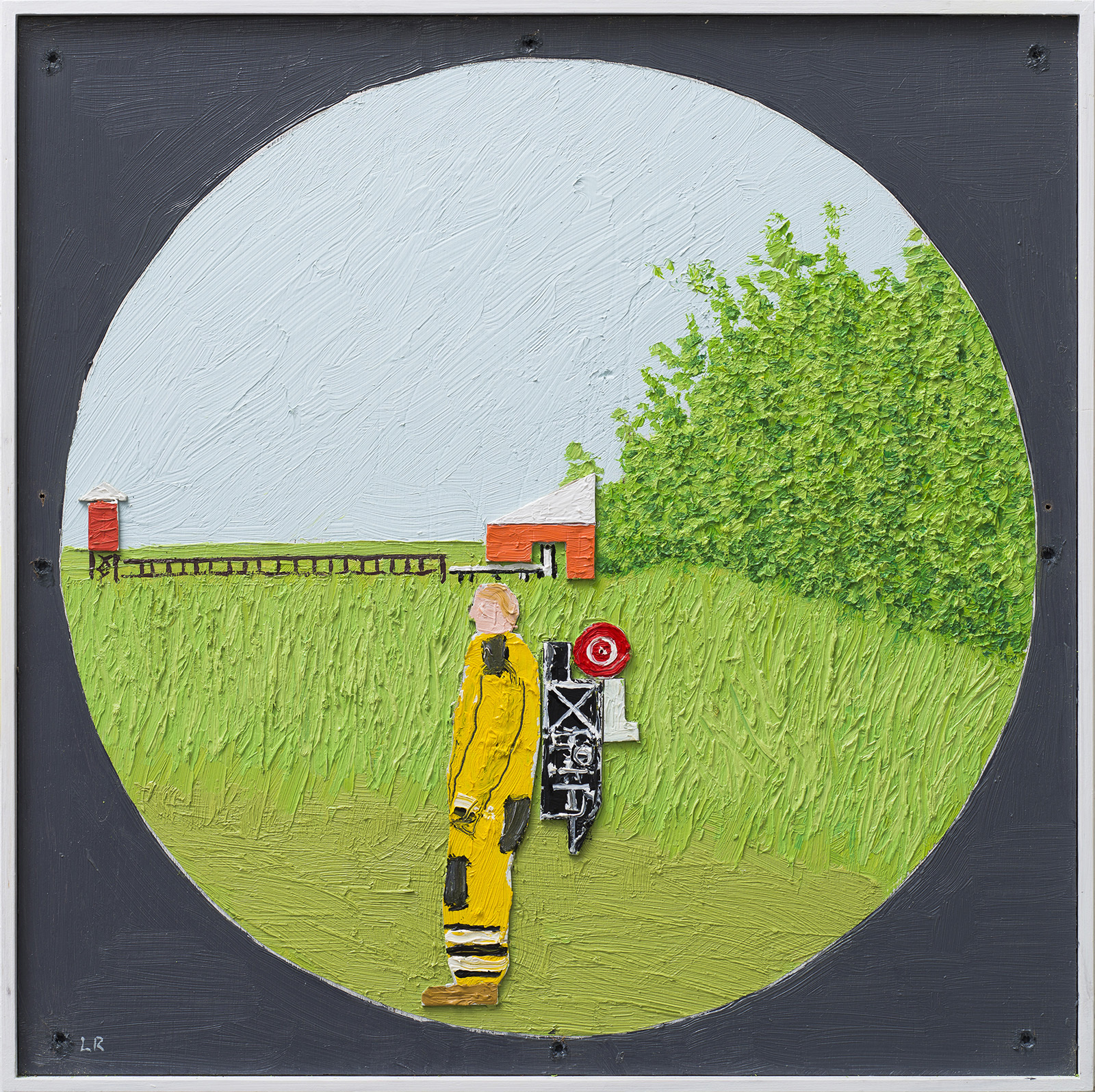
43,1 x 43 (framed)
LR16-10
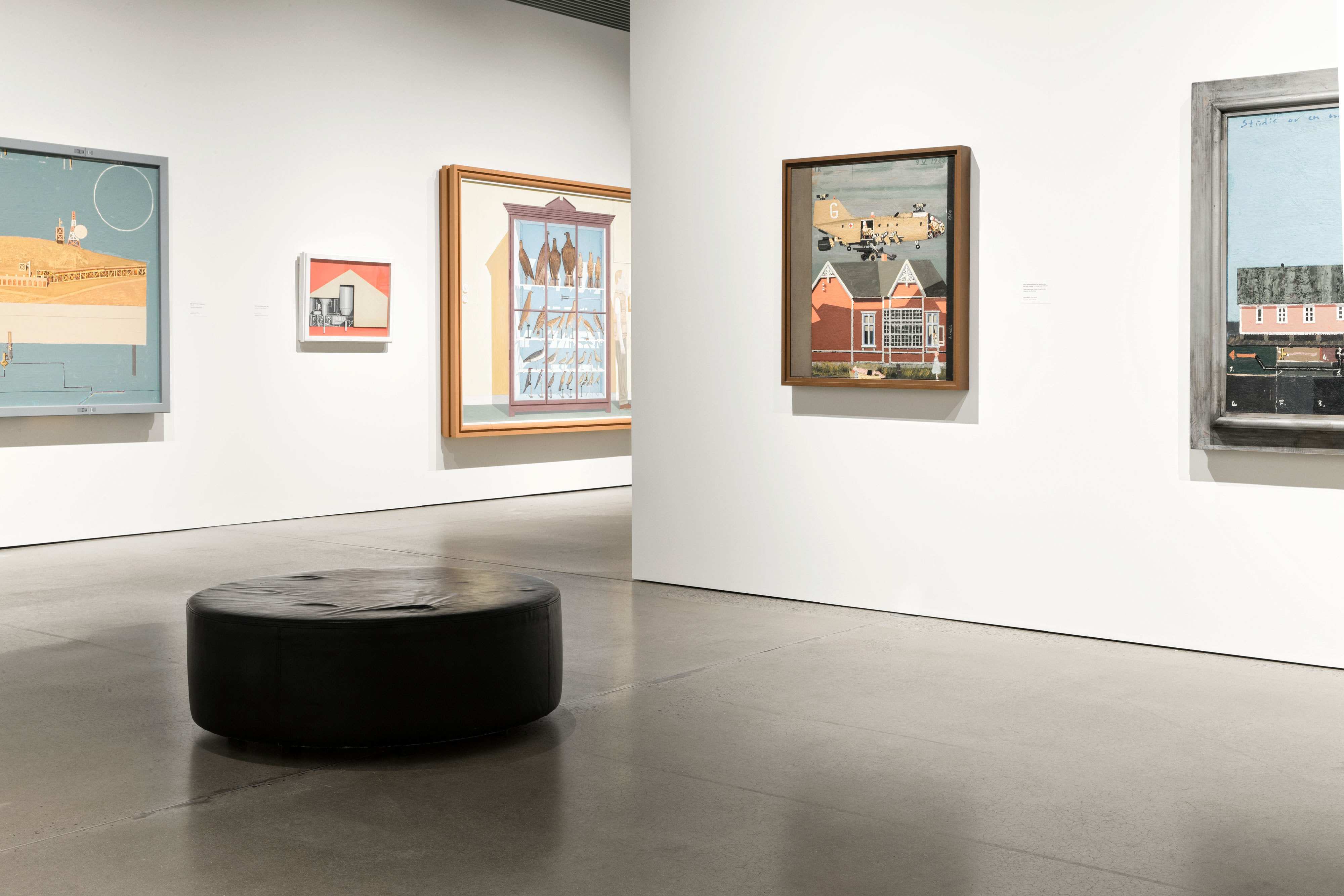


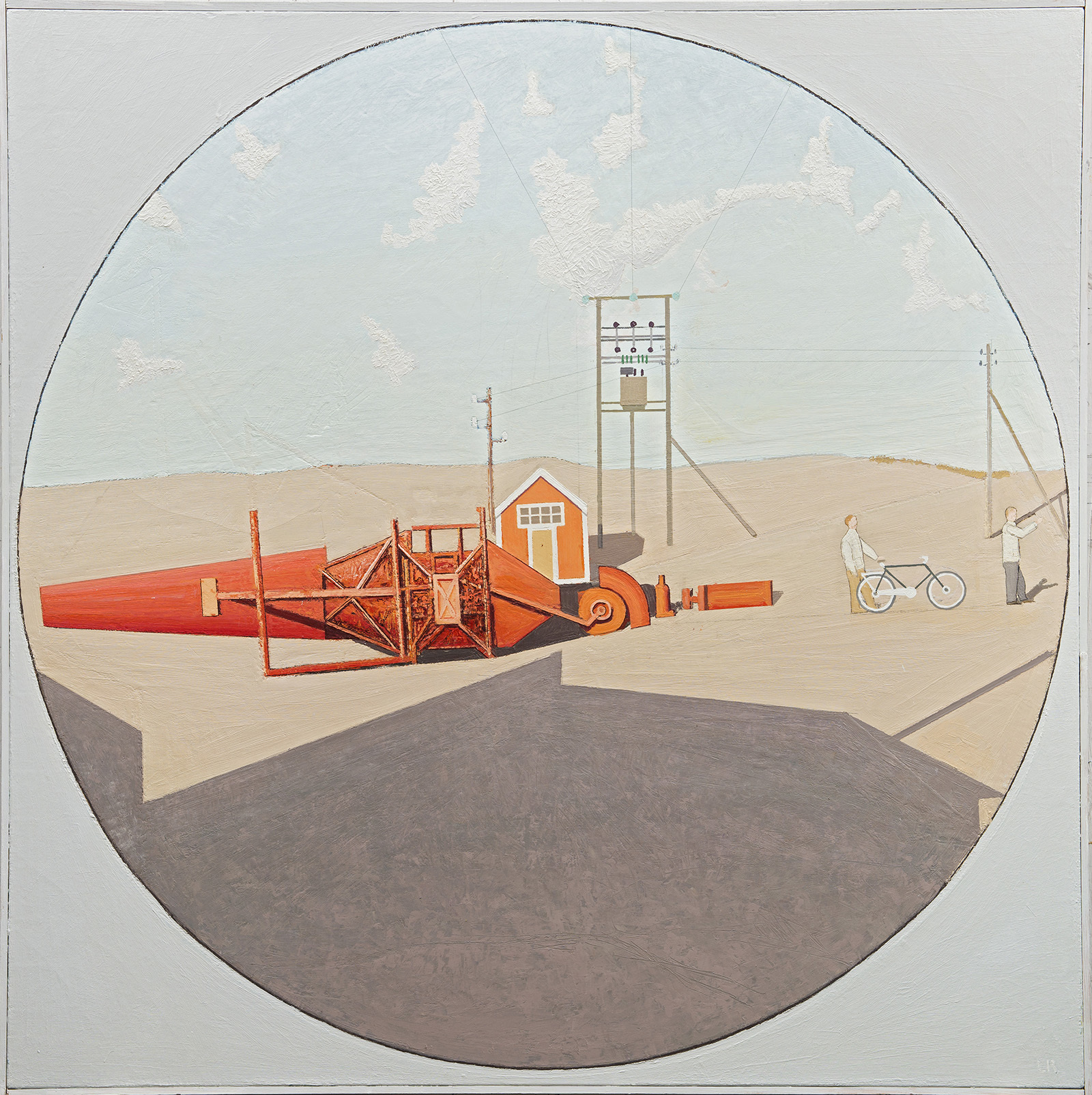
152,9 x 152,4 cm
LR16-19
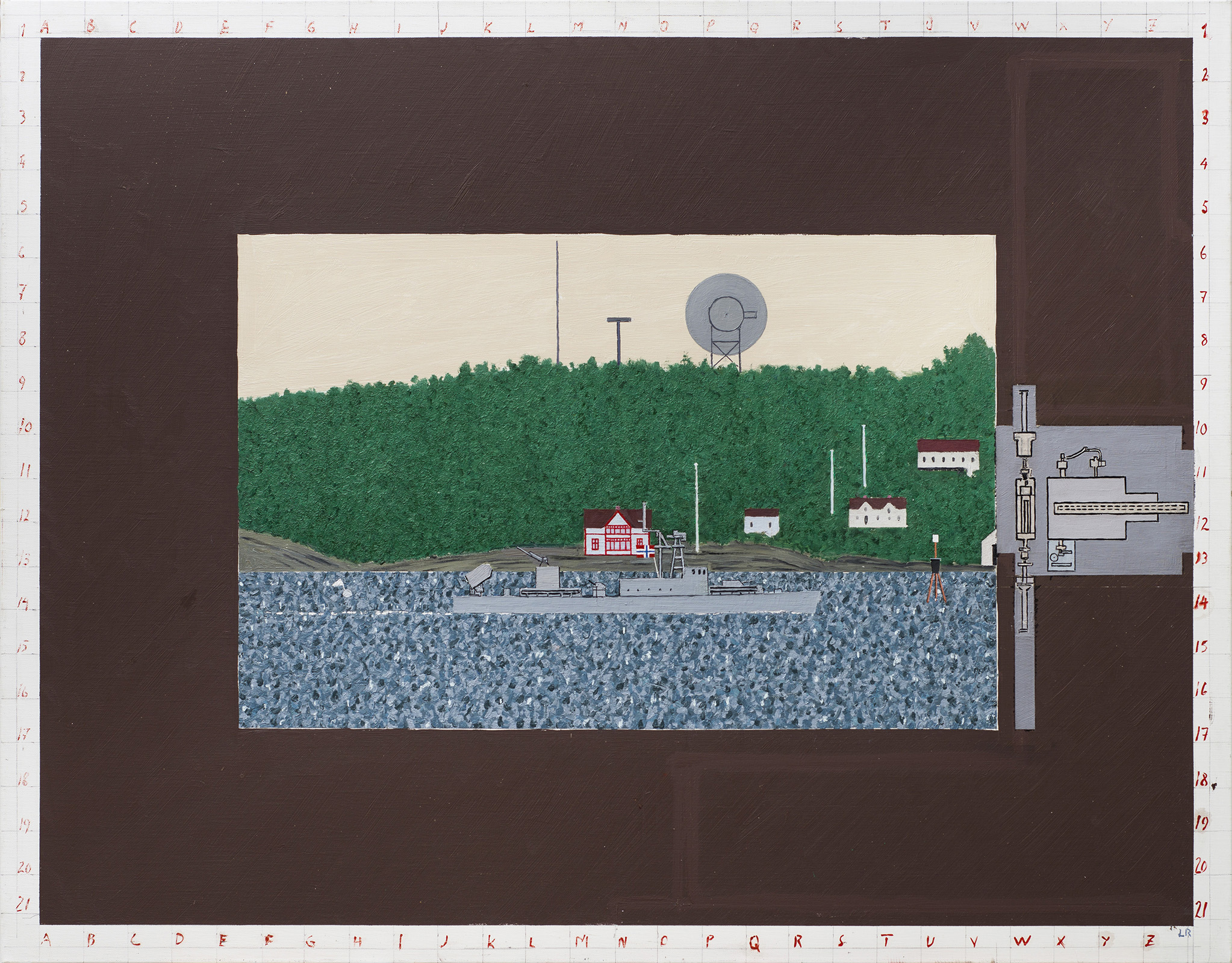
110,3 x 140,6 cm, 117 x 147 cm (framed)
LR16-03

32,9 x 32,8 cm
LR16-36
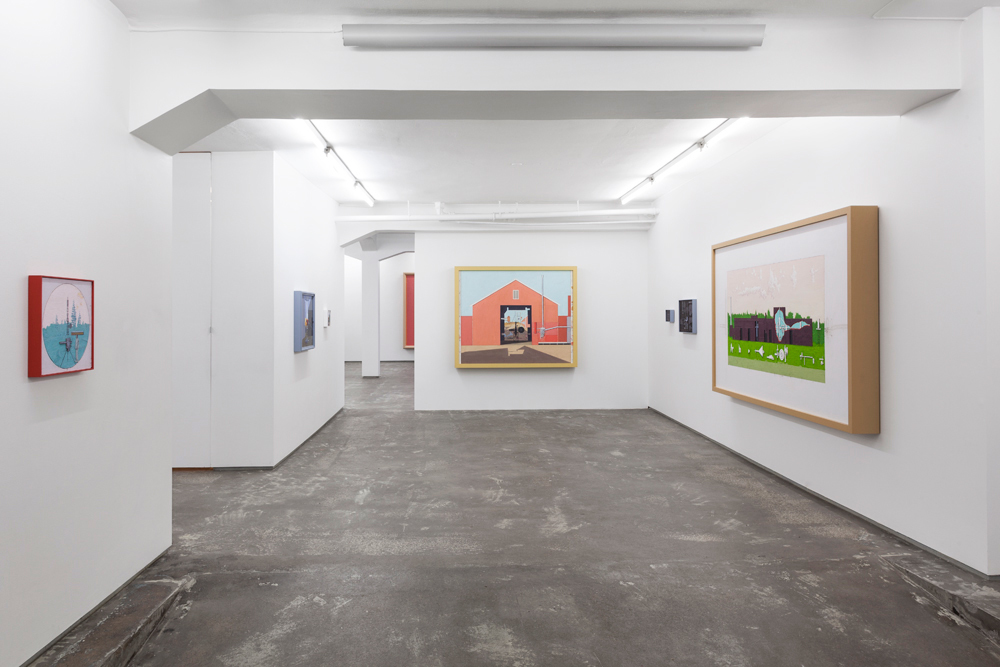
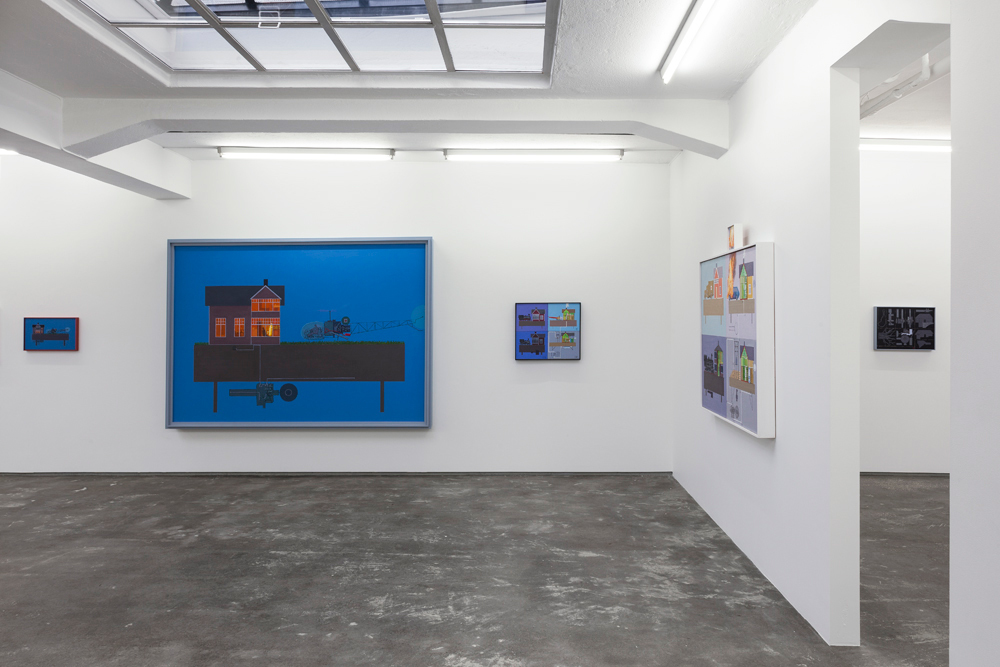
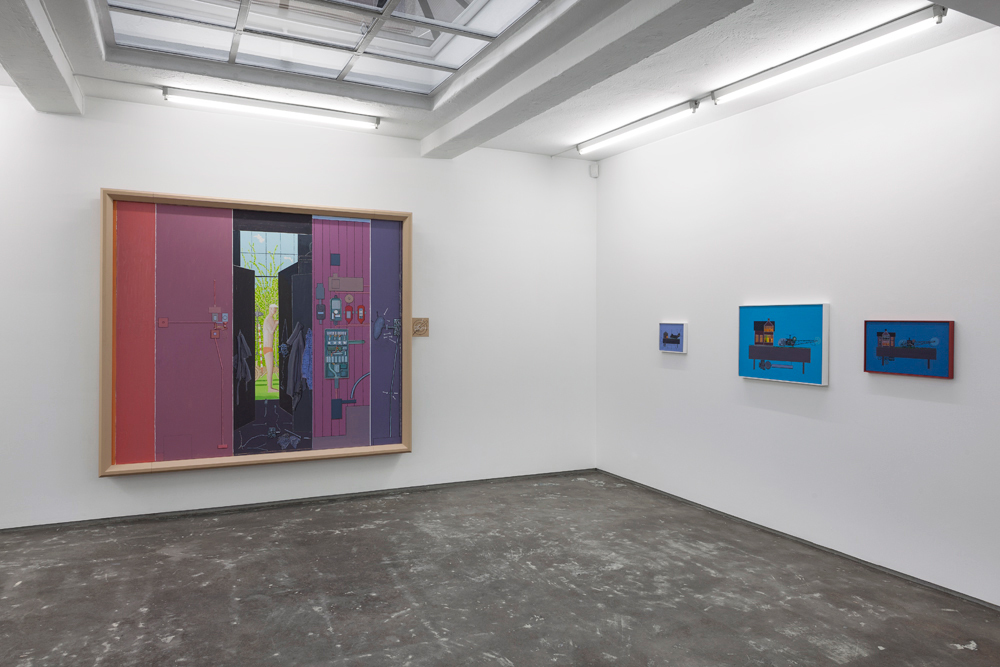
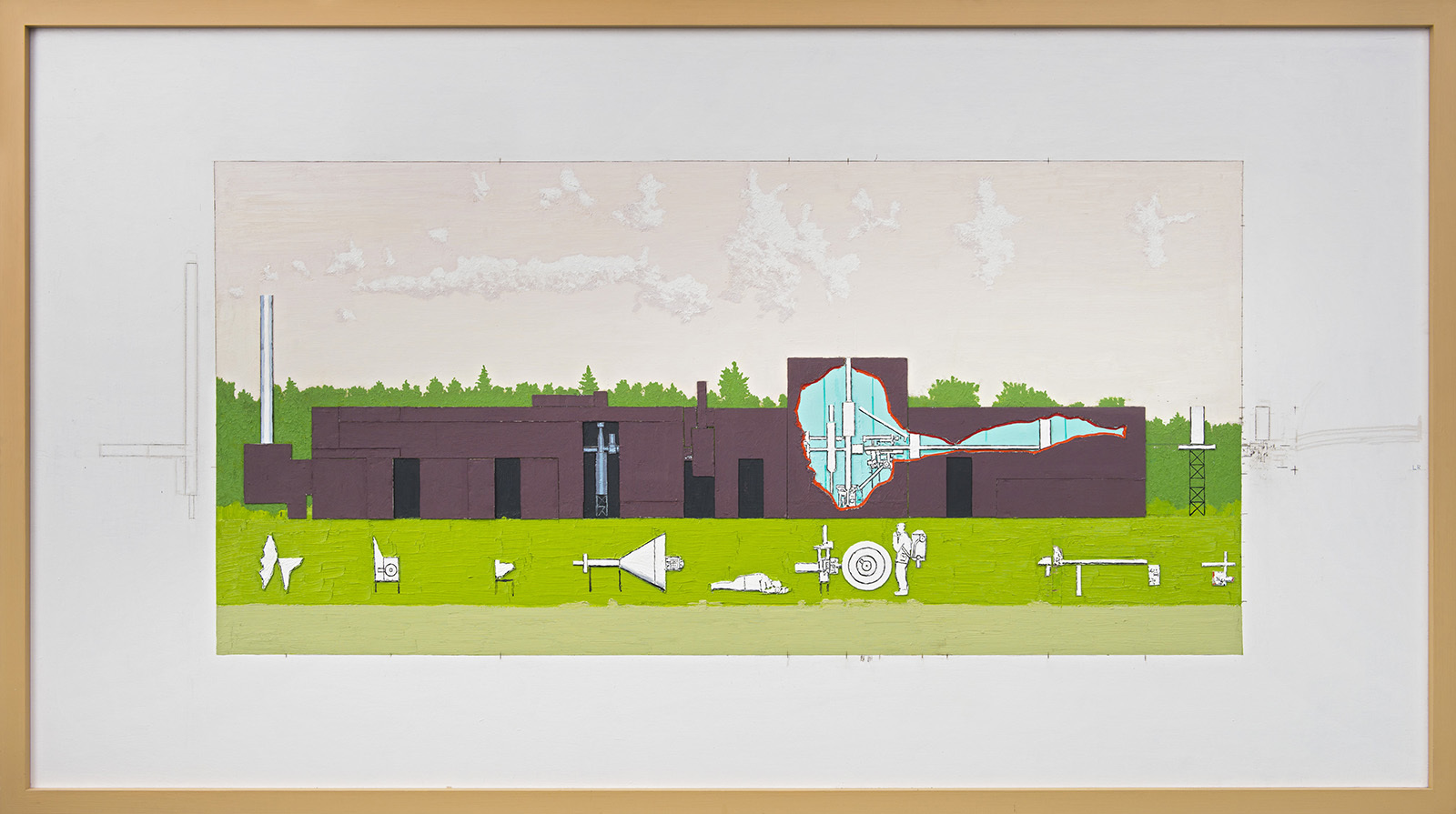
141,6 x 252 cm (framed)
LR16-05

160, 2 x 228, 4 cm, 170, 7 x 238,9 cm (framed)
LR16-06
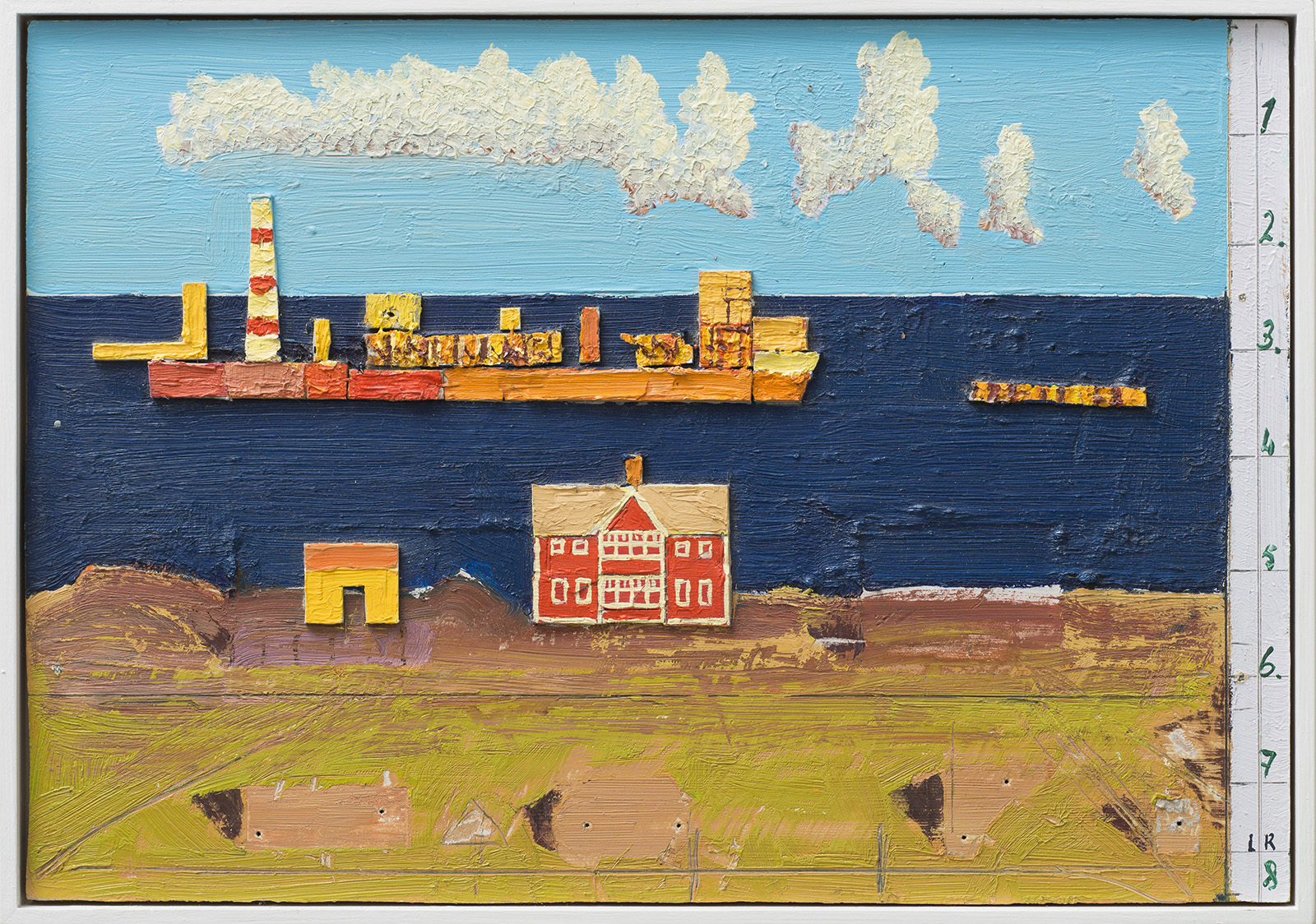
28,8 x 40,6 cm (framed)
LR16-17
Gallery Exhibitions
CV
Born 1945. Lives and works in Arendal
Education
1966-67
National Academy of Applied Arts, Oslo
1967-72
National Academy of Fine Arts, Oslo, Norway
Solo Exhibitions
2020
OSL contemporary, Norway
Trondheim Kunstmuseum, Norway
2016
ARoS, Aarhus, Denmark Kristiansand Kunsthall, Norway
2015
Passagen Linköpings Konsthall
2013
Ålesund Kunstforening
2014
OSL Contemporary, Oslo
2013
Ålesund Kunstforening
2012
Bomuldsfabriken Kunsthall, Arendal OSL Contemporary, Oslo
2011
Kunstnerforbundet, Oslo
2009
‘Festspillutstillingen 2009’, Bergen Kunsthall Galleri MGM, Oslo
2008
Haugar Vestfold Kunstmuseum, Tønsberg, Retrospective
2007
Kunstnerforbundet, Oslo Kunstbanken Hedmark Kunstsenter, Hamar
2005
Sørlandets Kunstmuseum, Kristiansand
2004
Dialoger I, Nasjonalgalleriet, Oslo Kunstnerforbundet, Oslo
2002
Rosendal Baroni, Rosendal Galleri Bouhlou, Bergen
2001
Astrup Fearnley Museet for Moderne Kunst, Oslo, Retrospective
1999
Galleri Dobloug, Oslo
1998
Kunstnerforbundet, Oslo
1997
Galleri Bomuldsfabriken (now Bomuldsfabriken Kunsthall), Arendal
1996
Lillehammer Kunstmuseum, Bergens Kunstforening
1995
Kunstnernes Hus, Oslo / Rogaland Kunstmuseum, Stavanger
1992
Galleri Dobloug, Oslo
1990
Galleri F–15, Jeløy, Moss
1989
Galleri Dobloug, Oslo
1988
Galleri Langegaarden, Bergen Galerie Doktor Glas, Stockholm
1987
Kunstnerforbundet, Oslo
1986
ASF Gallery, New York Galleri Dobloug, Oslo
1983
Galerie Doktor Glas, Stockholm
1982
Galleri Dobloug, Oslo
1979
Galleri Dobloug, Oslo
1977
Kunstnerforbundet, Oslo
1974
Kunstnerforbundet, Oslo
1986
Skiens Kunstforening Trondhjems Kunstforening (now Trondheim Kunstmuseum)
1985
Kunstnernes Hus, Oslo
1983
‘Festspillutstillingen 1983’, Bergens Kunstforening (now Bergen Kunsthall)
1981
Christianssands Kunstforening
Selected Group Shows
2020
De forjettede land, Kristiansand Kunsthall, Norway
2019
Tekstvevnad, OSL contemporary, Norway
2015
Sørlandets Kunstmuseum, Jubileumsutstilling Rickhard/Melgaard. Utvalgte verk fra Christian Bjellands Samling. Henie-Onstad Kunstsenter, Høvikodden “Den Røde Armés Tilbaketrekning”, Nordnorsk Kunstmuseum, Tromsø
2012
‘Sidetracks: Painting in the paramodern continuum’, Stavanger Kunstmuseum ‘Prisme’. Tegning fra 1990 til 2012. Nasjonalmuseet, Oslo ‘Landskap og rom’. Utvalg fra H.M. Dronning Sonjas Kunstsamling, Henie Onstad Kunstsenter, Høvikodden
2011
‘Figurer og fortellinger’. Norsk samtidskunst fra Astrup Fearnley Samlingen. Sogn Kunstsenter, Lærdalsøyri ‘Screaming from the Mountain. Landscapes and Viewpoints’. Sørlandets Kunstmuseum, Kristiansand
2010
‘Blodig alvor’, Norsk kunst på 80-tallet, Bergen Kunstmuseum, Sørlandets Kunstmuseum, Haugar Vestfold Kunstmuseum, Trondheim Kunstmuseum
2009/2010
‘Bendik Riis Band’, Galleri F-15, Moss, Bomuldsfabriken Kunsthall, Arendal
2009
‘Realisme / realismer’. Utvalg fra Chr. Bjellands Samling, Rogaland Kunstmuseum, Stavanger Statens Kunstakademi 100 år, Nasjonalmuseet (Bankplassen) Oslo
2007
‘Oh my God’, Vestfossen Kunstlaboratorium ‘Profiler i maleriet’, 1980-2000, Bergen Kunstmuseum ‘Clusters’. Samtidskunst fra Nordea Norges Kunstsamling, Henie-Onstad Kunstsenter, Høvikodden
2006
Christian Bjellands Samling, Lillehammer Kunstmuseum
2005
‘Contemporary Landscapes’, fra H.M. Dronning Sonjas Kunstsamling, New York
2003
Storebrand@Stenersen, Stenersen Museet, Oslo ‘Maleriet tørker aldri …’ / ‘The panting never dries …’ Astrup Fearnley Museet for Moderne Kunst, Oslo
2002
Kunst i Statoils eie, Stavanger Kunstforening Rogaland Kunstmuseum, med Hanne Borchgrevink, Tore Hansen, Arne Malmedal og Bjørn Ransve
2001
H.M. Dronning Sonjas Kunstsamling, Henie Onstad Kunstsenter, Høvikodden ‘Samlingen i perspektiv II’, Norsk maleri 1945-2000, Museet for samtidskunst, Oslo
2000/2001
‘Carnegie Art Award’. Helsingfors, Oslo, Gøteborg, København, Stockholm, Reykjavik
2000
‘Museum 2000’, Astrup Fearnley Museet for Moderne Kunst, Oslo
1999
‘100 år – 100 landskap’, Lillehammer Kunstmuseum ‘Engasjert kunst’, Stenersen Museet, Oslo ‘Oslo-skolen’, Astrup Fearnley Museet for Moderne Kunst, Oslo
1997
‘Collector's Choice’, Stavanger Kunstforening
1995
Haugar Vestfold Kunstmuseum. Opening exhibition with Marjetica Potrč, Bjørn Melbye Gulliksen and Leonard Rickhard Internasjonalt og norsk maleri fra Astrup Fearnley Museet for Moderne Kunst, Bergen Billedgalleri
1994
‘... og vestenfor måne’, Astrup Fearnley Museet for Moderne Kunst, Oslo ‘Nettverk’, Olympiasamlingen, Kunstnernes Hus, Oslo
1992
‘Slagskygger’, Trondhjems Kunstforening ‘Holdepunkter’, Museet for samtidskunst, Oslo
1991
‘Blind Navigatør’, Bergens Kunstforening / Bergen Billedgalleri Galleri Langegaarden, med Bjørn Carlsen, Bergen
1990
‘Terskel I’, Museet for samtidskunst, Oslo
1988
‘Hilsen fra Norge’, Århus Kunstbygning, Sønderjylland Kunstmuseum and Nikolaj, København
1987
‘Norge i Gøteborg’, Gøteborgs Konstmuseum ‘Norwegische Künstler’, Kunstsalon Wolfsberg, Zürich
1985
Christianssands Kunstforening, with Bjørn Krogstad and Gunnar Torvund ‘A Nordic Quintessence’, ASF Gallery, New York ‘Sesjon’, Kunstnernes Hus, Oslo
1981
‘Norsk billed’, Helsingfors Konsthall ‘27 unge malere’, Kunstnernes Hus, Oslo
1979
‘VIII Østersjøbiennale’, Rostock
1975
‘VII Festival International de la Peinture’, Cagnes-sur-Mer, Frankrike
1972
‘Visuell–72’, Blomquist, Oslo
1971
Fredrikstad Kunstforening, with Nina Sundbye, Øystein Selmer and Odd Skullerud
1970
Statens Kunstutstilling, Kunstnernes Hus, Oslo Studenter fra Statens Kunstakademi, Skiens Kunstforening ‘Unge norske’, Liljevalchs Konsthall, Stockholm
Museums and Collections
Nasjonalgalleriet, Oslo
Riksgalleriet, Oslo
Museet for samtidskunst, Oslo
Statens Konstråd, Stockholm
Moderna Museet, Stockholm
Gøteborgs Konstmuseum
Oslo kommunes kunstsamlinger
Norsk Kulturråd
Rogaland Kunstmuseum, (nå: Stavanger Kunstmuseum)
Sørlandets Kunstmuseum, Kristiansand
Skiens faste galleri
Trondheim Kunstmuseum
Bergen Kunstmuseum
Olympiasamlingen, Lillehammer
Astrup Fearnley Museet for Moderne Kunst, Oslo
Lillehammer Kunstmuseum
Christian Bjellands Samling
H.M. Dronning Sonjas Samling
Nasjonalmuseet for Kunst, Arkitektur og Design, Oslo
Nordea Norges Kunstsamling
DnBs Kunstsamling
Storebrands Kunstsamling
StatoilHydros Kunstsamling
Telenors Kunstsamling
Haugesund Billedgalleri
Norske Selskab
Linköping Kommuns Konstsamling
ARoS, Aarhus Kunstmuseum
Grants and Awards
2015
Anders Jahres Kulturpris
2009
St. Olavs Order, Knight 1. Class
2002
Aust-Agder County Cultural Price
2000
Prins Eugen-Medal, Sweden
1997
Arendal Kommunes Kulturpris
Publications
Leonard Rickhard. Mellem krig og fred. Aarhus Kunstmuseum, ARoS, 2016. Essays av Kristian Handberg og Harald Flor. Forord: Erlend G. Høyersten og Jakob Sevel
Rickhard / Melgaard. Utvalg fra Christian Bjellands Samling, Henie Onstad Kunstsenter (HOK) 2015. Essay av Arve Rød. Forord: Tone Hansen
Leonard Rickhard. Paintings. With essays by Martin Herbert and Åsmund Thorkildsen. Introduction: Jorunn Veiteberg. Arnoldsche Art Publishers, Stuttgart 201
Leonard Rickhard, Festspillutstillingen 2009. With essays by Martin Herbert, Jon-Ove Steihaug and Wenche Volle. Introduction: Solveig Øvstebø. Ed. Solveig Øvstebø and Steinar Sekkingstad, Bergen Kunsthall 2009
Leonard Rickhard, Malerier 1988-2008, With essays by Svein Olav Hoff and Øivind Storm Bjerke, Haugar Vestfold Kunstmuseum 2008
Leonard Rickhard - Malerens tegninger. With essay by Wenche Volle, Sørlandets Kunstmuseum / Labyrinth Press 2005
Leonard Rickhard - Det hvisker så svakt i bjørkeskogen. With essays by Åsmund Thorkildsen and Wenche Volle, Astrup Fearnley Museet for Moderne Kunst, Oslo 2001
Leonard Rickhard - En samtale om form og innhold, Conversation with Svein Olav Hoff, Lillehammer Art Museum / Labyrinth Press 1996
Leonard Rickhard, With essays by Øivind Storm Bjerke and Åsmund Thorkildsen, J.W. Cappelens Publishing house, Oslo 1995
News
Leonard Rickhard
Leonard Rickhard's large-scale solo exhibition Between Construction and Collapse, opening at the Astrup Fearnley Museet 26. January 2024. Curated by Solveig Øvstebø. "Throughout a long artistic career, Rickhard has cultivated a distinctive, easily recognisable style—a visual signature all of its own within recent Norwegian art history." - Excerpt from AFM website. Photo: Leonard Rickhard, Figure Against Red Bird Cabinet, 2006-2007. Astrup Fearnley Collection. © Leonard Rickhard, 2023. Photo: Jens Hamran
18.12